
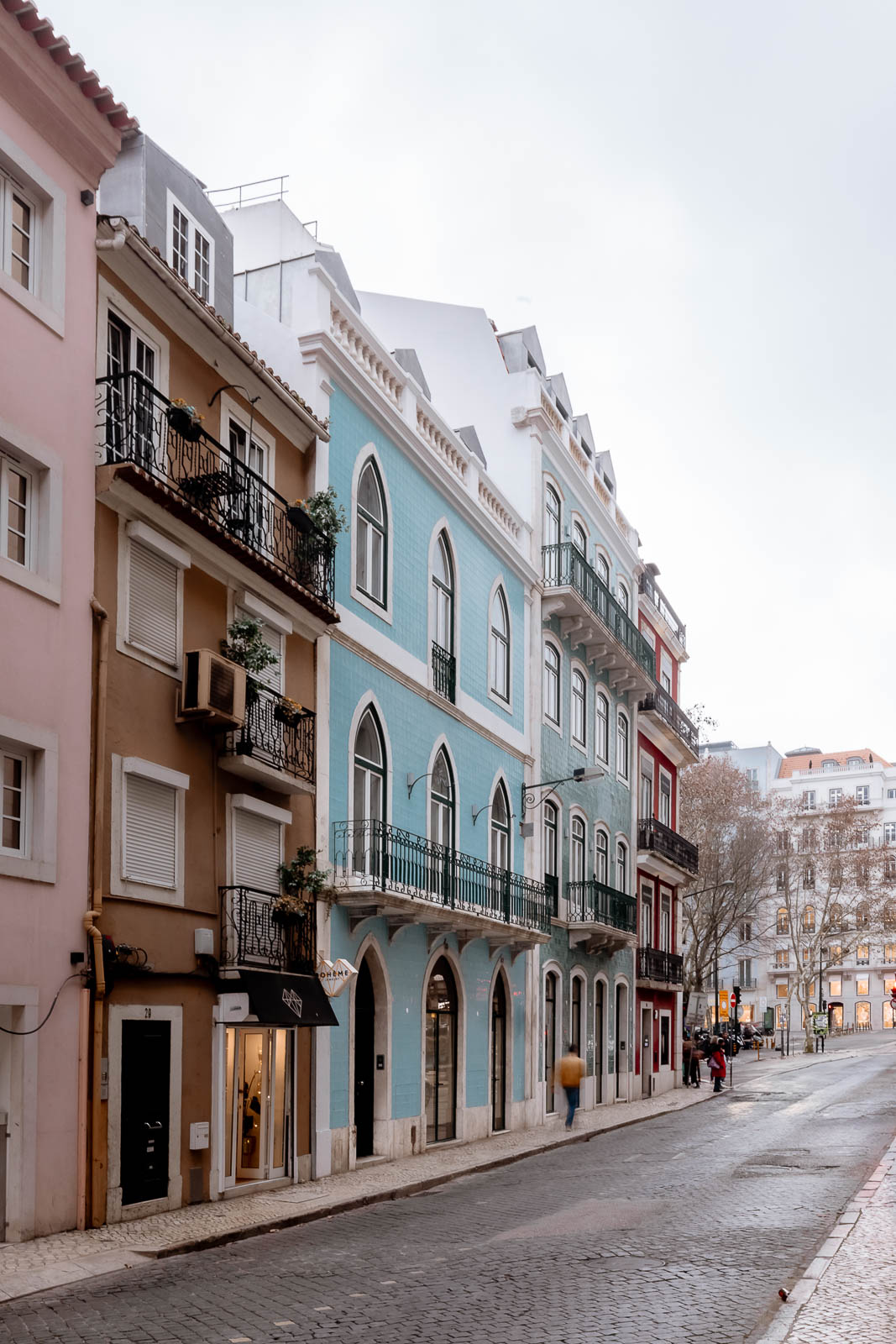
Lisbon is evolving, not through sudden disruption, but through a gradual transformation where heritage and innovation coexist in a natural way. Urban rehabilitation has become one of the key drivers behind this change, attracting investment, talent, and a new generation of architectural projects that are reshaping the city’s value. From a distance, it may look like a trend. But for those working within the sector, it is clearly a structural shift with long-term implications for how assets are developed, positioned, and experienced.
Why urban rehabilitation is becoming so important in Lisbon
Urban rehabilitation in Lisbon goes far beyond restoring old buildings. It is about rethinking spaces, adapting them to new ways of living and working, and meeting contemporary expectations without losing the identity that defines the city.
When done well, these projects significantly increase the value of an asset, both financially and symbolically. The location remains the same, but its perception changes entirely.
What makes a rehabilitation project truly stand out
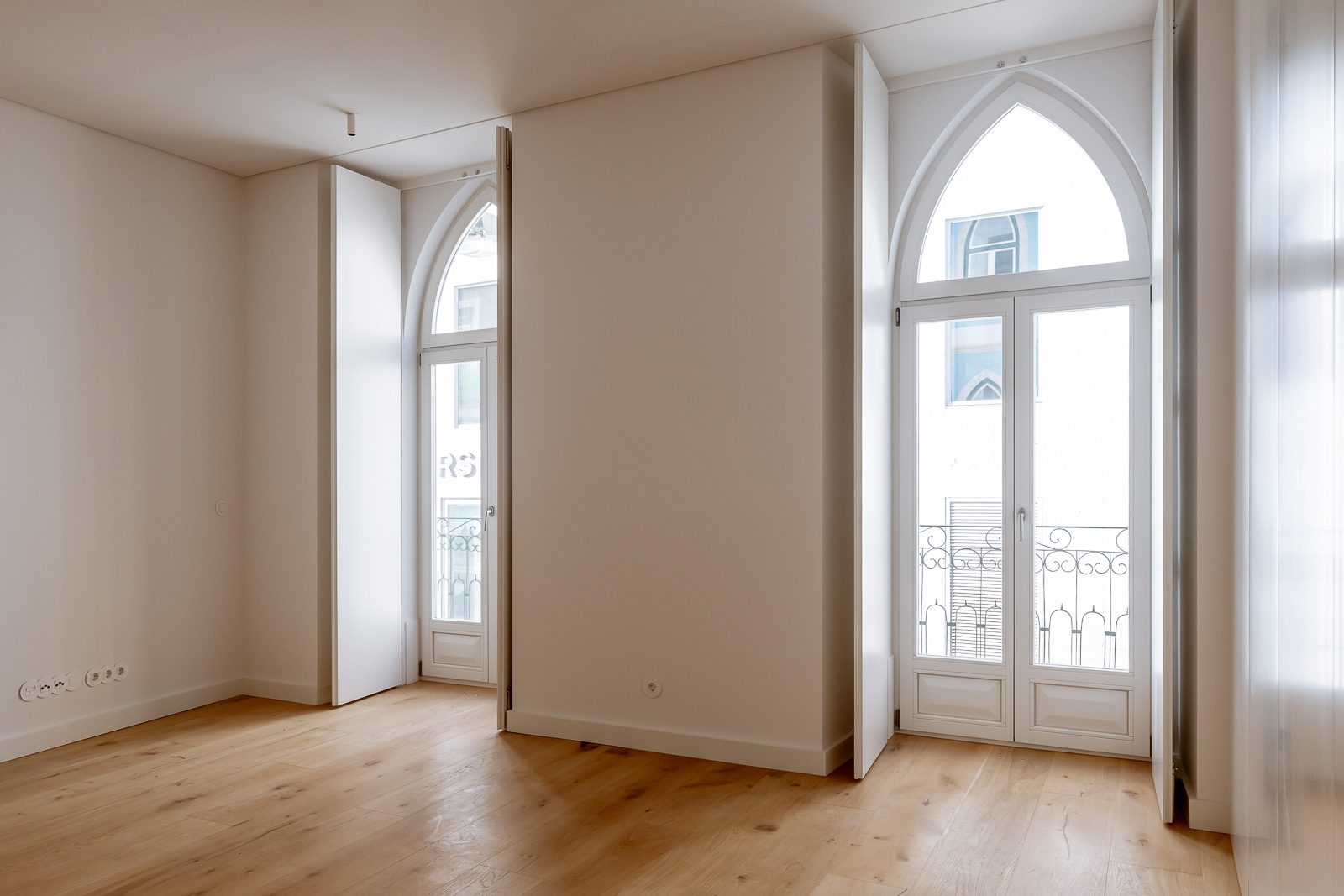
Not every rehabilitation project becomes a reference. The ones that do tend to share a set of defining qualities that go beyond aesthetics. They demonstrate a deep understanding of the urban context, respect the existing structure, and introduce a contemporary architectural language with confidence. At the same time, they prioritize functional efficiency and create spaces that genuinely enhance everyday use.
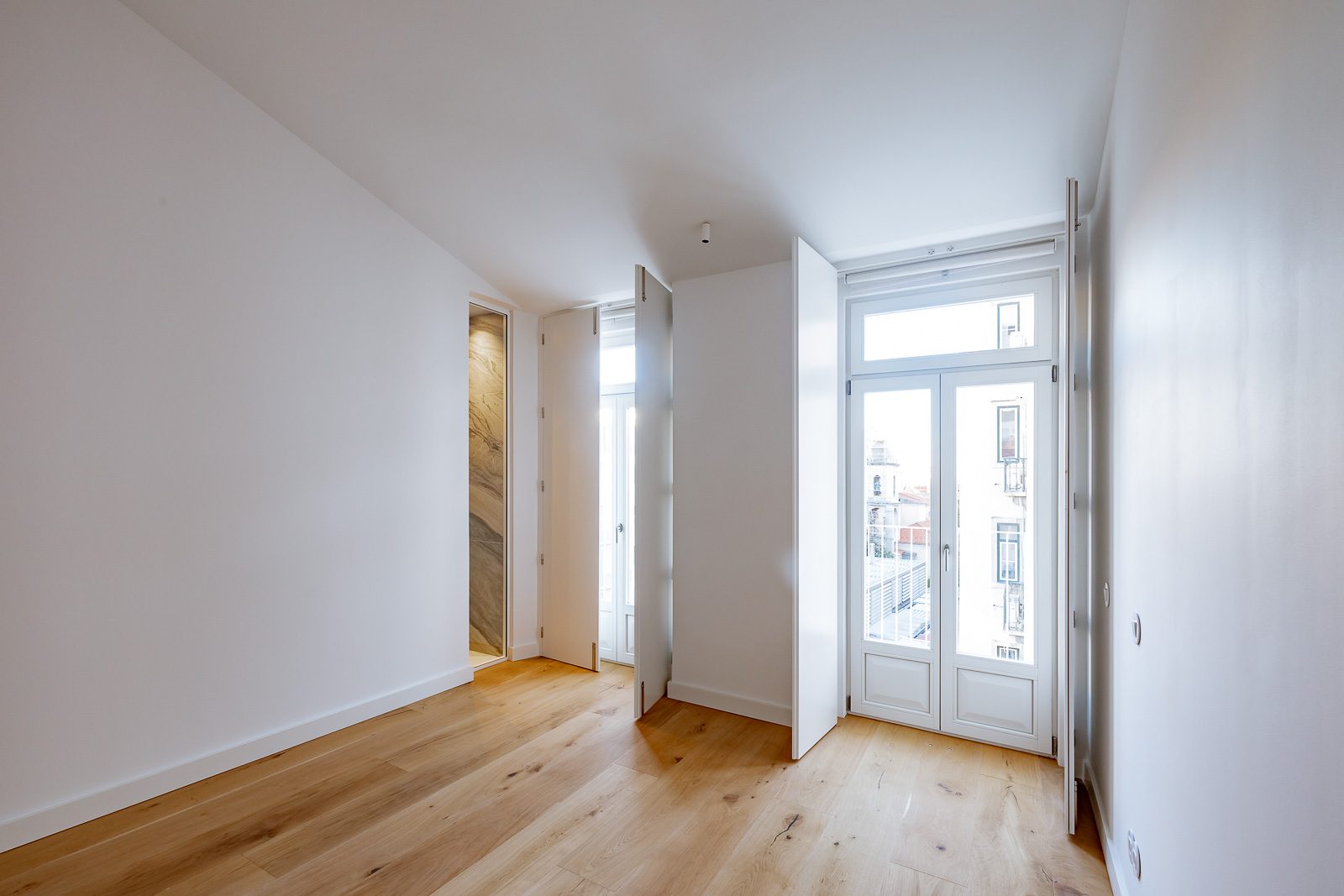
A strong example is the ByLiberdade project by Contacto Atlântico. Located in one of Lisbon’s most iconic areas, it shows how architecture can restore relevance and sophistication to historic buildings while maintaining their identity.
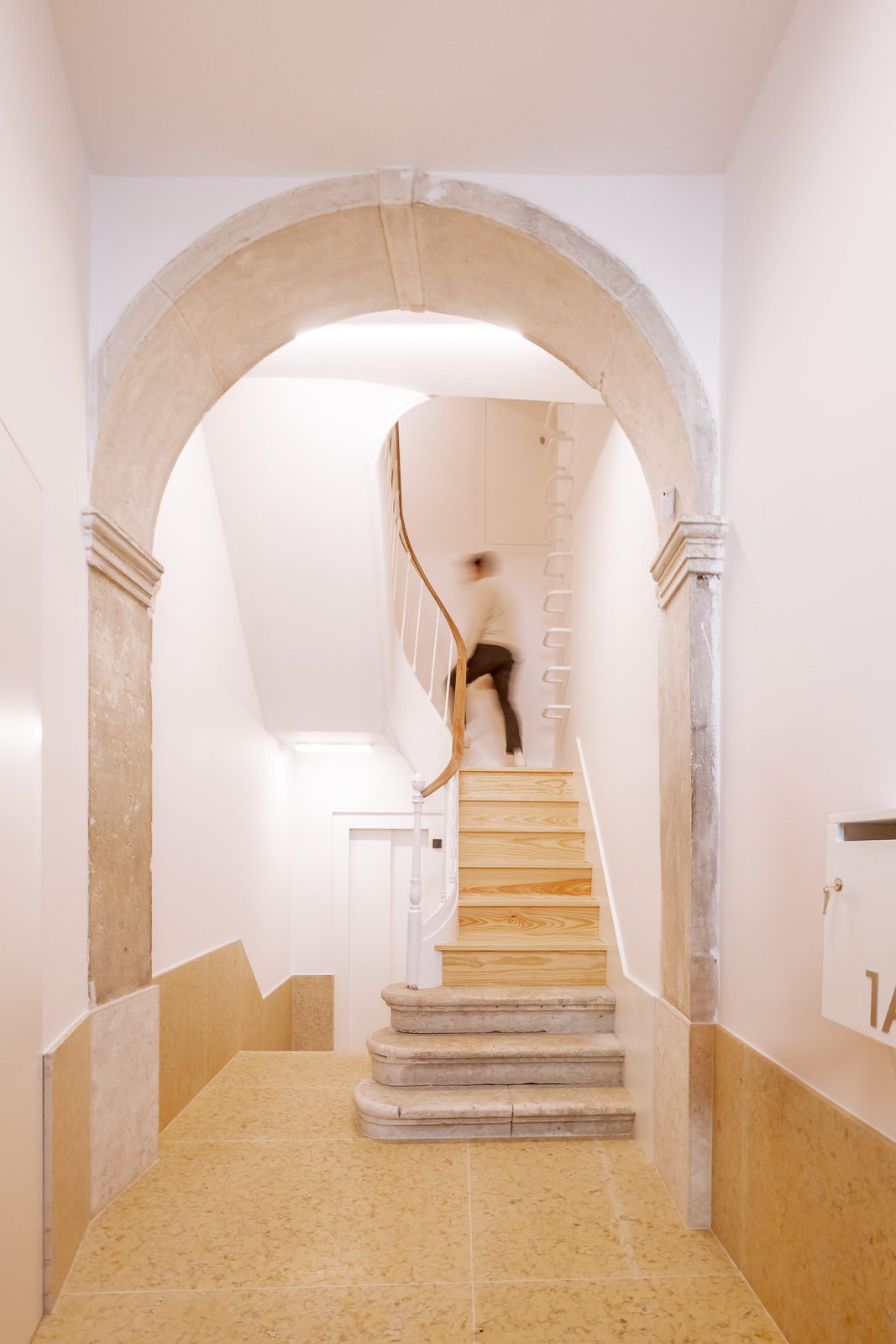
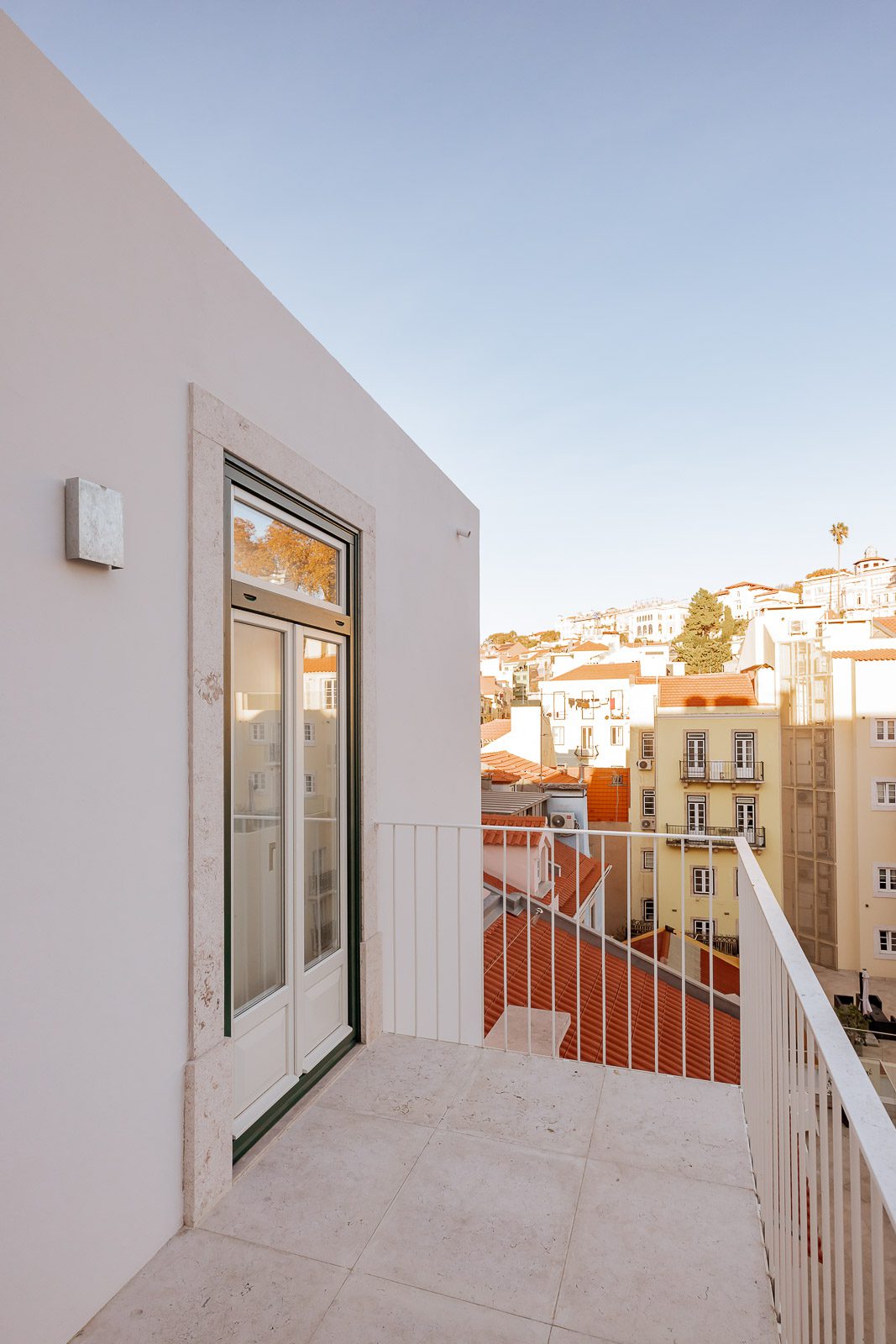
Why Lisbon has become a benchmark for urban rehabilitation and contemporary architecture
In recent years, Lisbon has established itself as one of the most attractive real estate markets in Europe, with urban rehabilitation playing a central role in that growth.
Historic neighborhoods are being revitalized, and underused buildings are being transformed into high-end residential units, offices, and hospitality spaces. This transformation is not случайный.
Working with a forward-thinking architecture firm in Portugal is crucial in this context. The ability to anticipate trends and manage regulatory, technical, and cultural layers is often what defines the success of a project.
What is the real role of the architect in increasing property value
Architecture is not just about aesthetics. It is a strategic investment decision. An architect acts as the bridge between vision and execution, turning constraints into opportunities and ensuring that every square meter contributes to the overall value of the project.
In Lisbon rehabilitation projects, this role becomes even more complex due to heritage and urban constraints. Choosing the best architecture firm in Lisbon is not a minor detail. It directly impacts the long-term success and profitability of the investment.
How to choose the right architecture firm in Lisbon for a rehabilitation project
In an increasingly competitive market, execution quality makes all the difference.
Contacto Atlântico stands out as a top architecture firm in Portugal by combining technical precision with refined architectural sensibility. With recognized projects and international experience, the studio works closely with clients to deliver solutions that are both consistent and distinctive.
Looking at the city today, it becomes clear that urban rehabilitation is no longer just about preserving the past. It is a way of shaping the future with intention, quality, and a more integrated vision of urban space. For investors and clients exploring opportunities, understanding this shift is key. Because ultimately, the goal is not just to restore a building, but to unlock its full potential within a city that continues to evolve.