

Diário de Notícias
Description
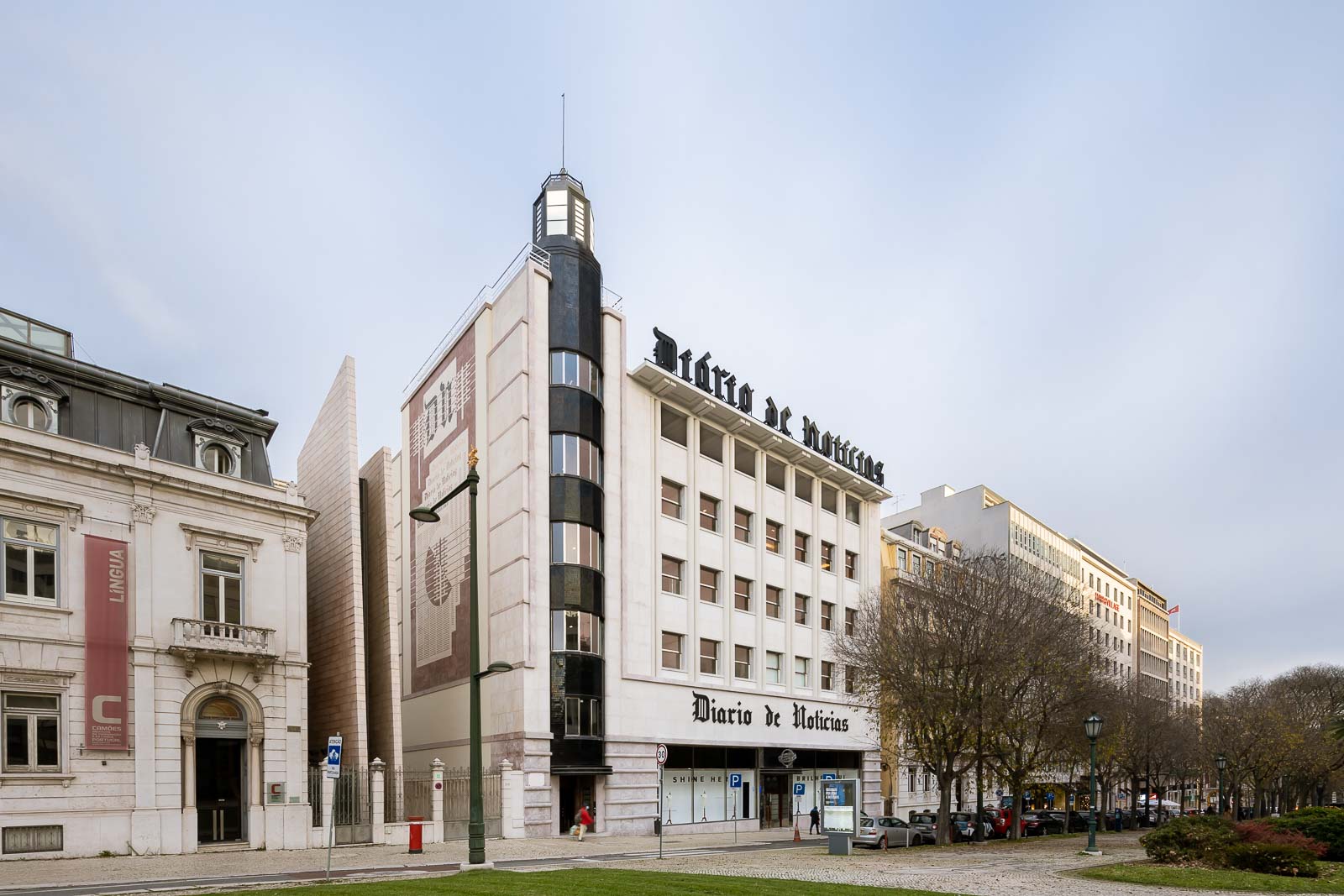
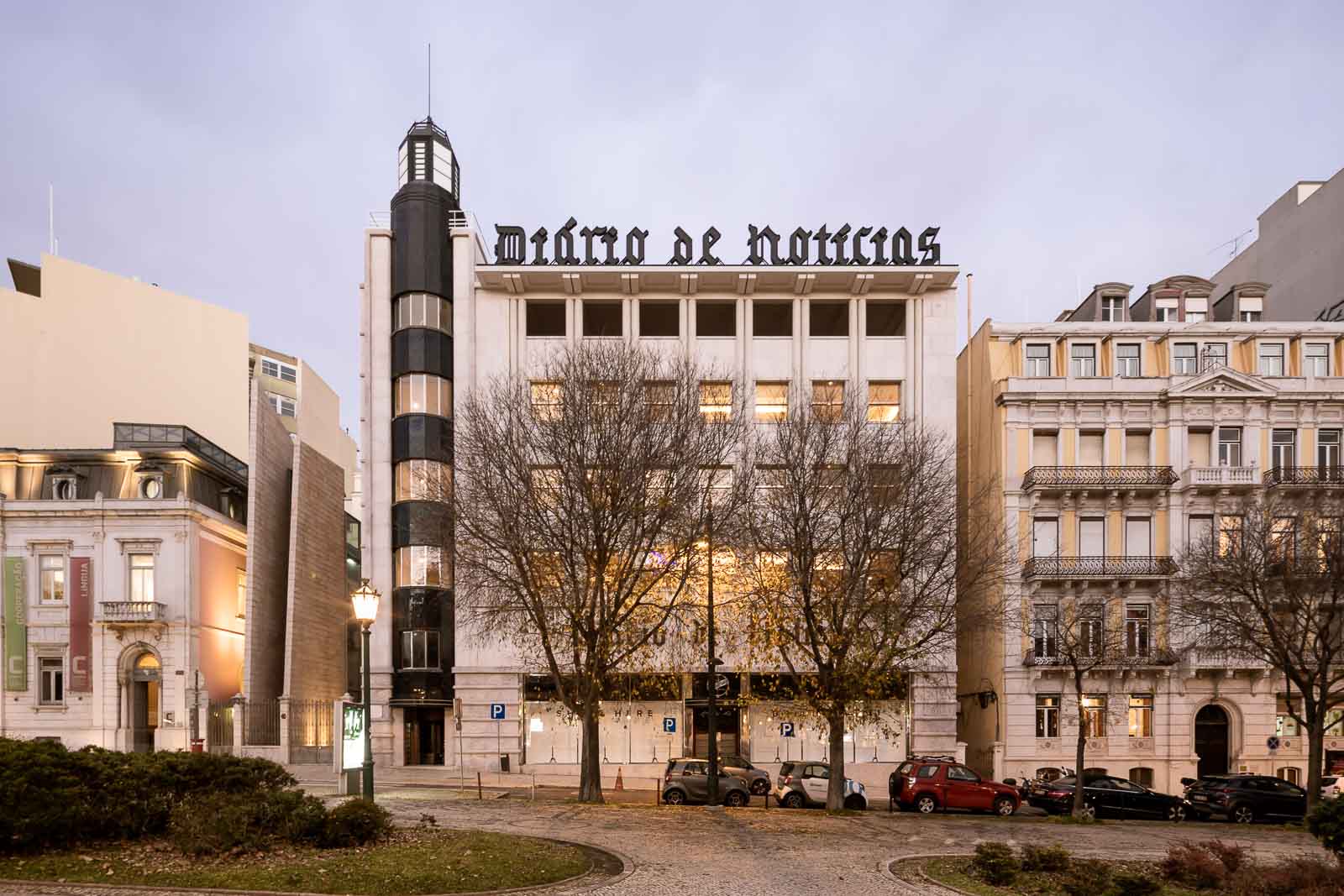
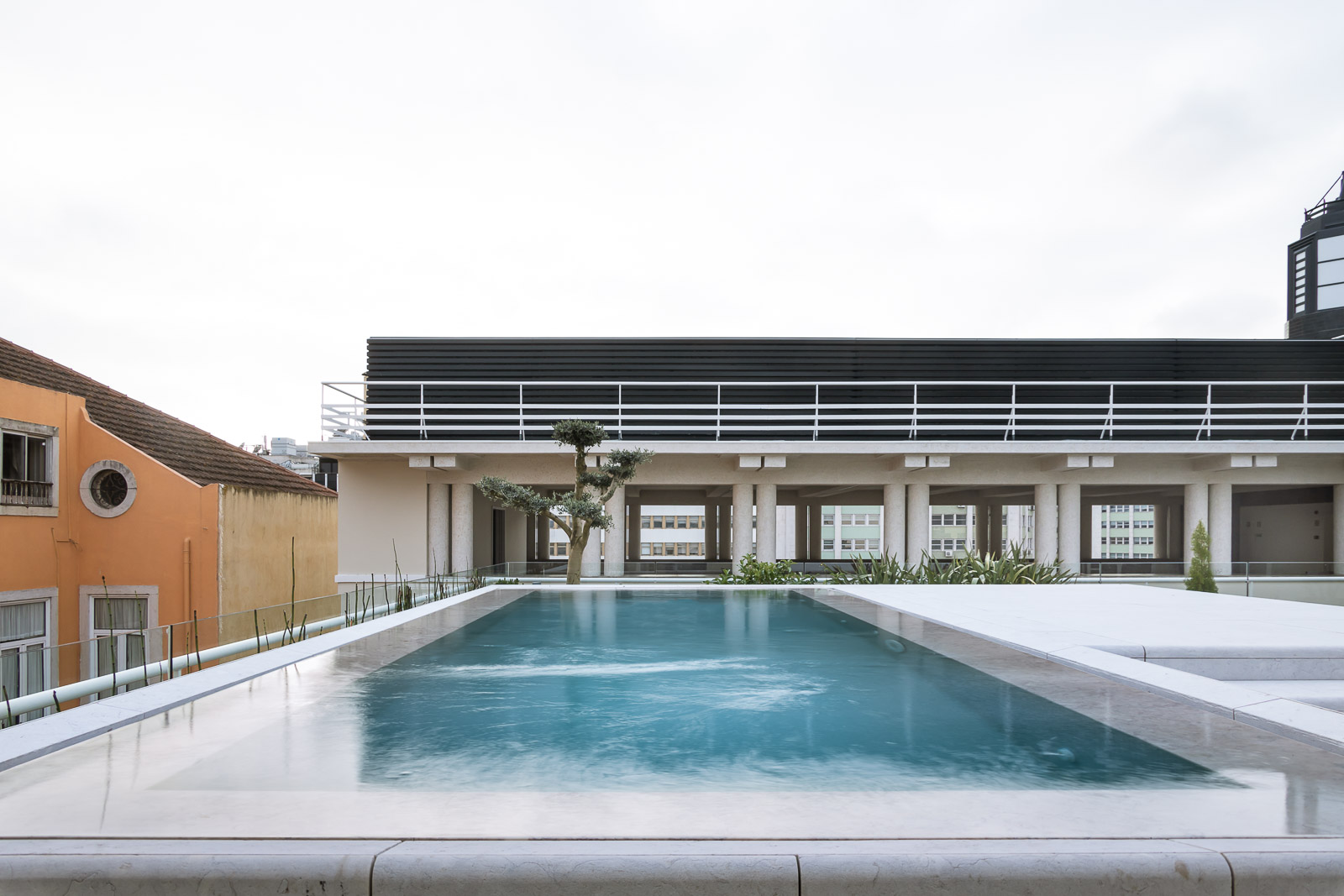
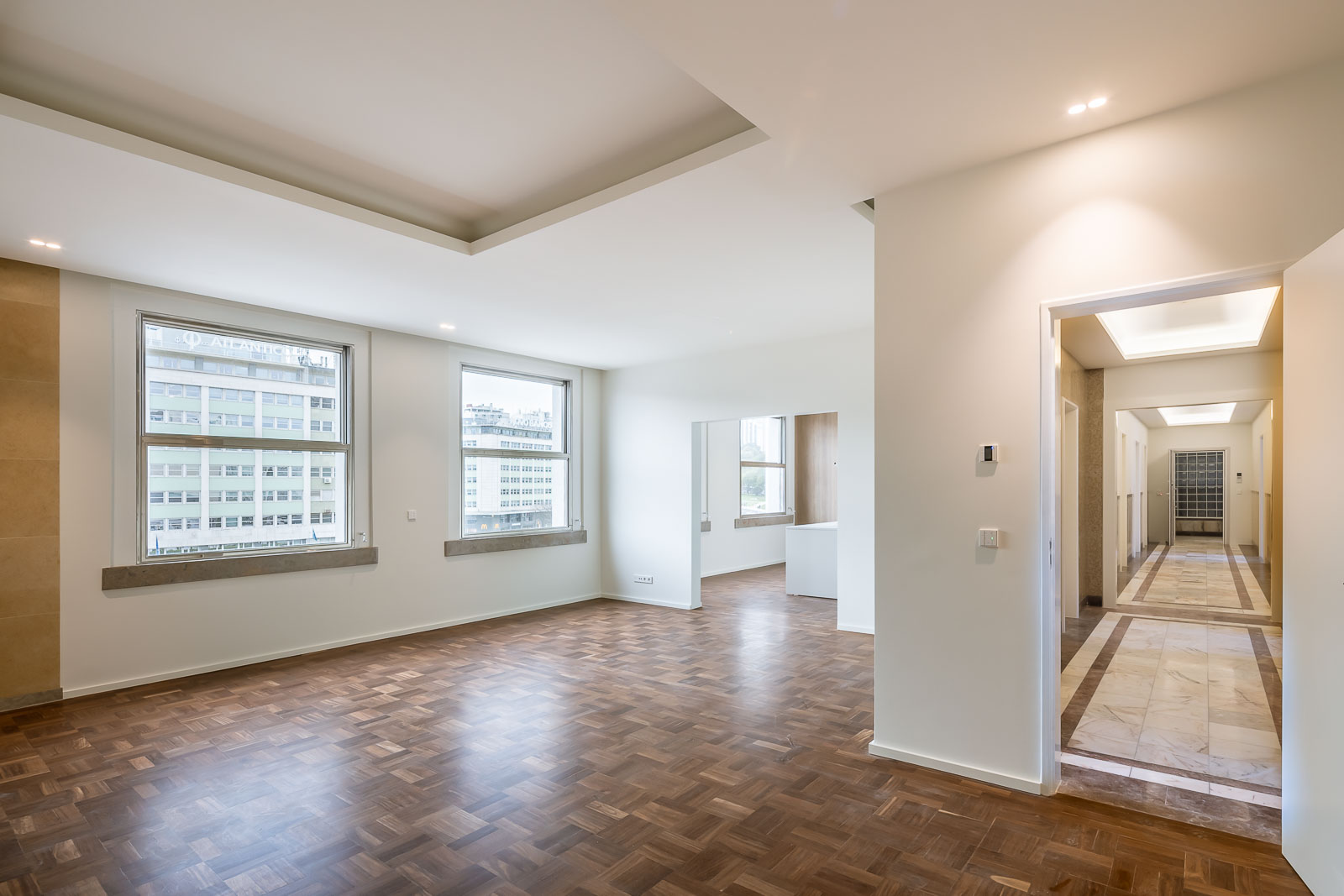
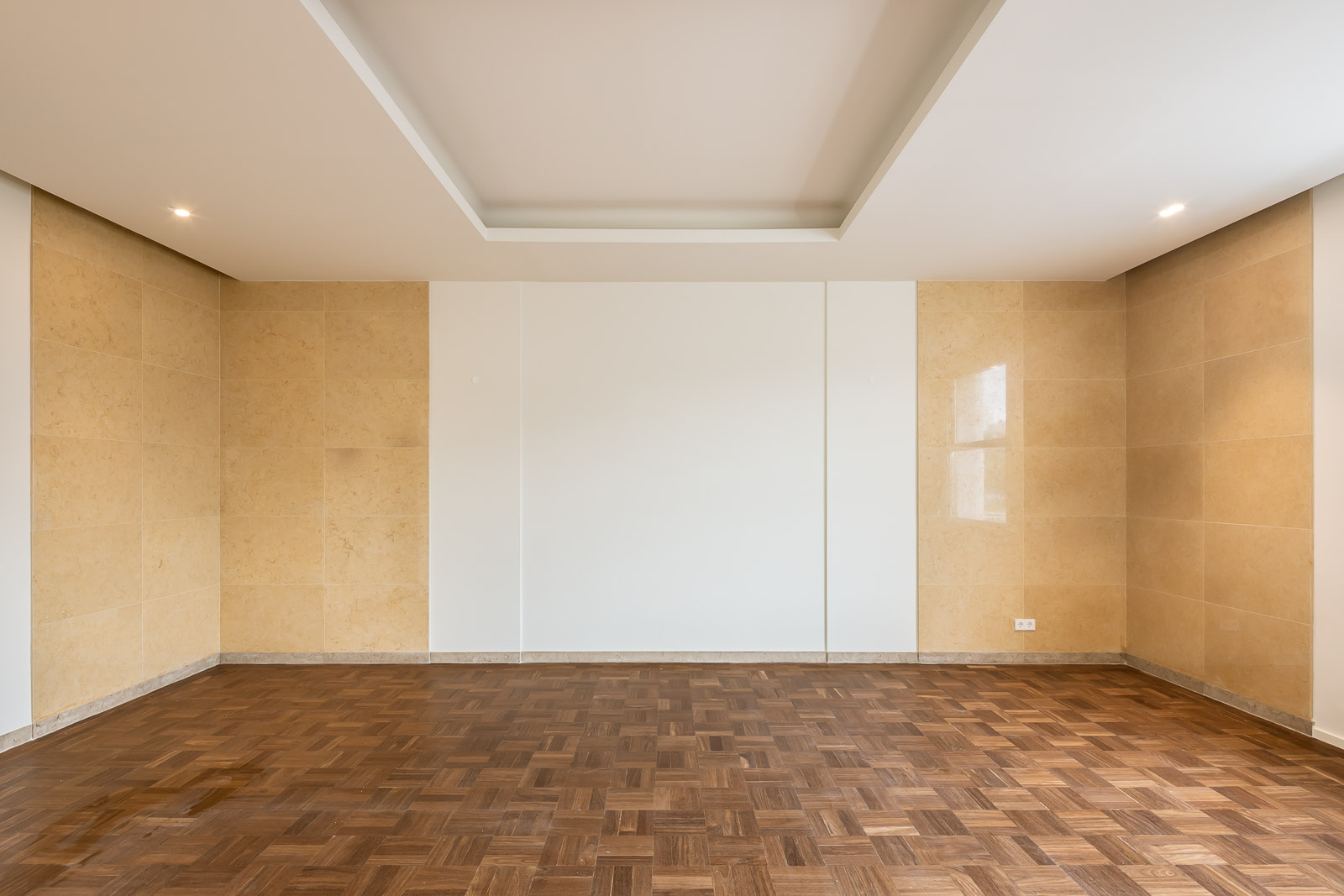
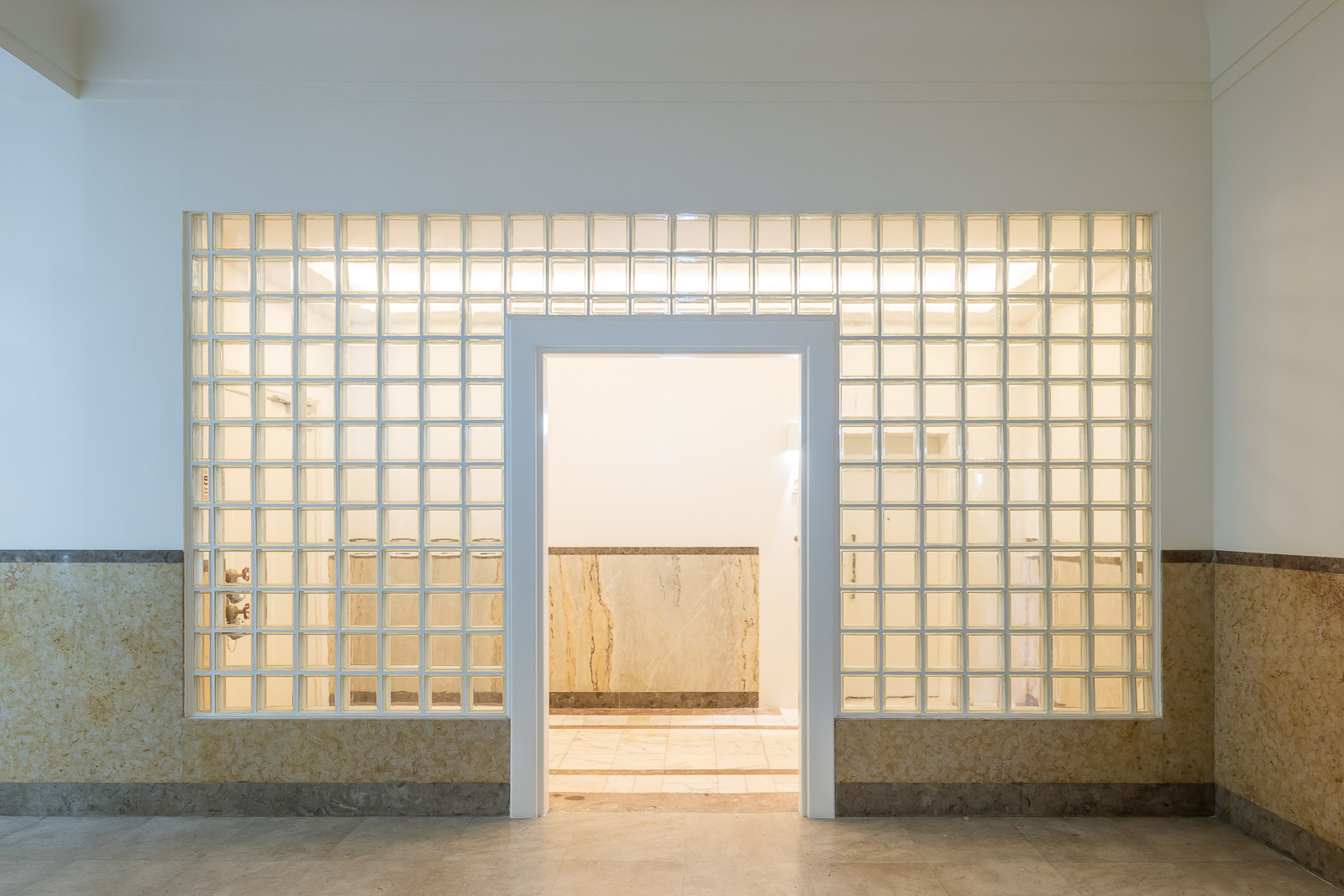
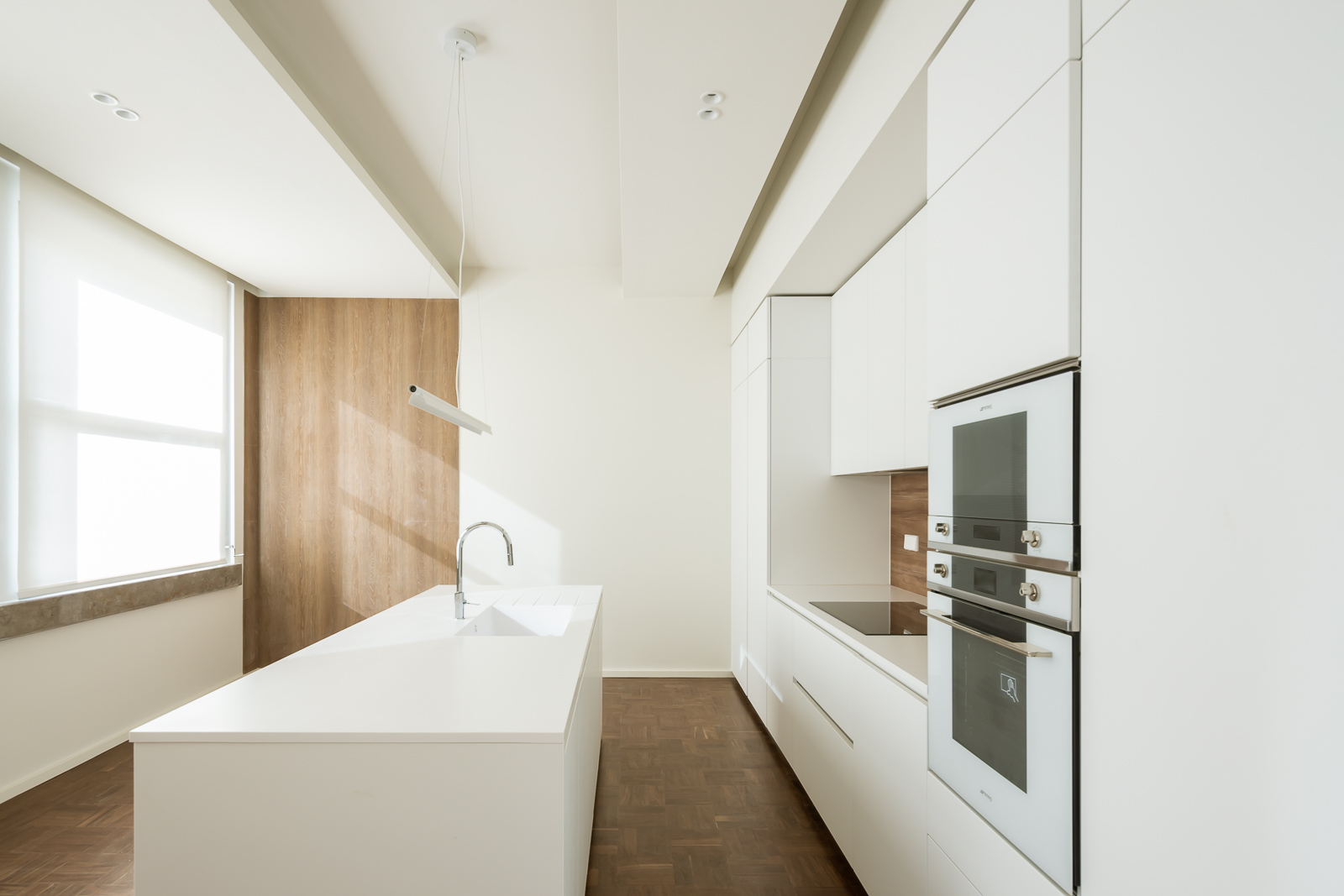
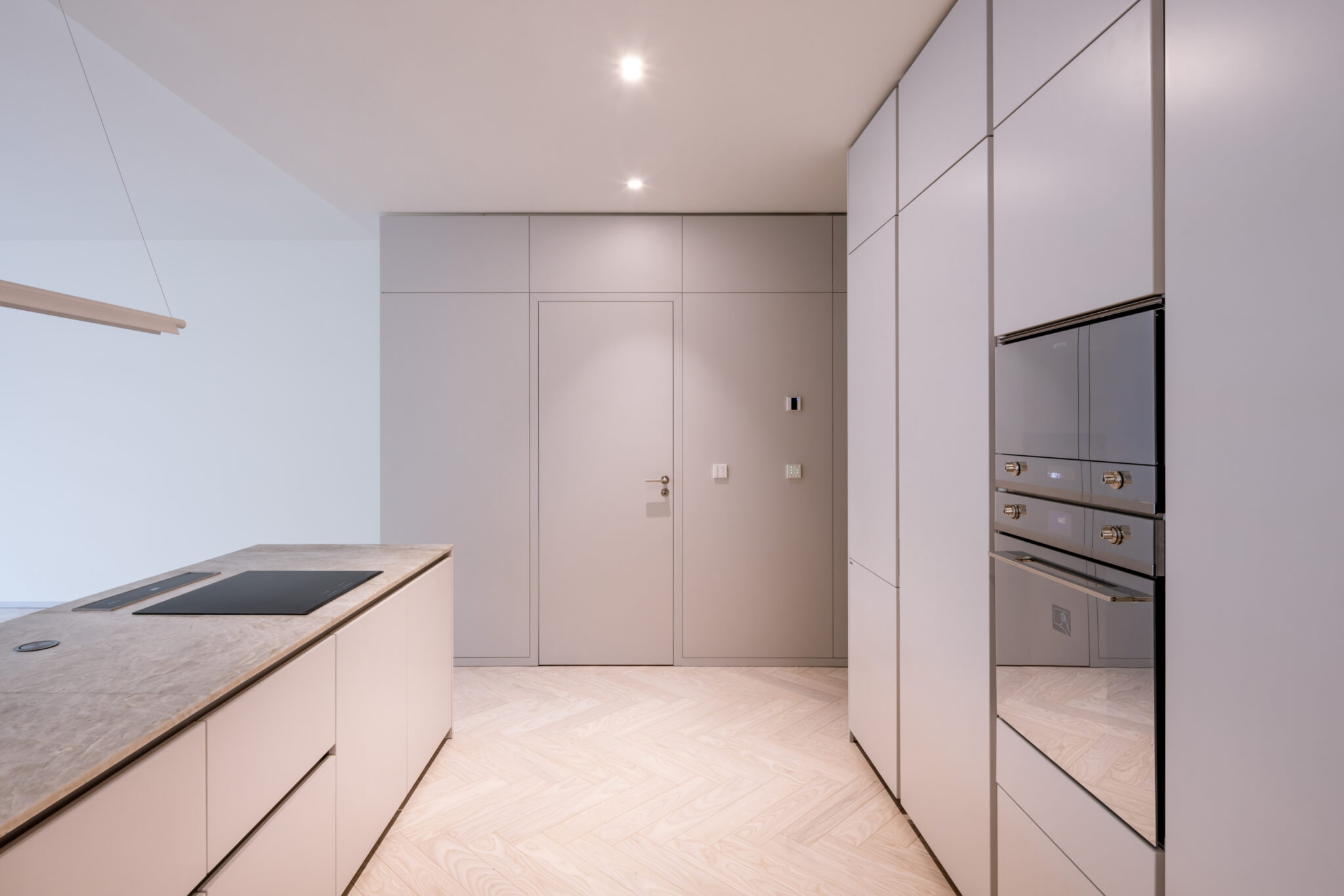
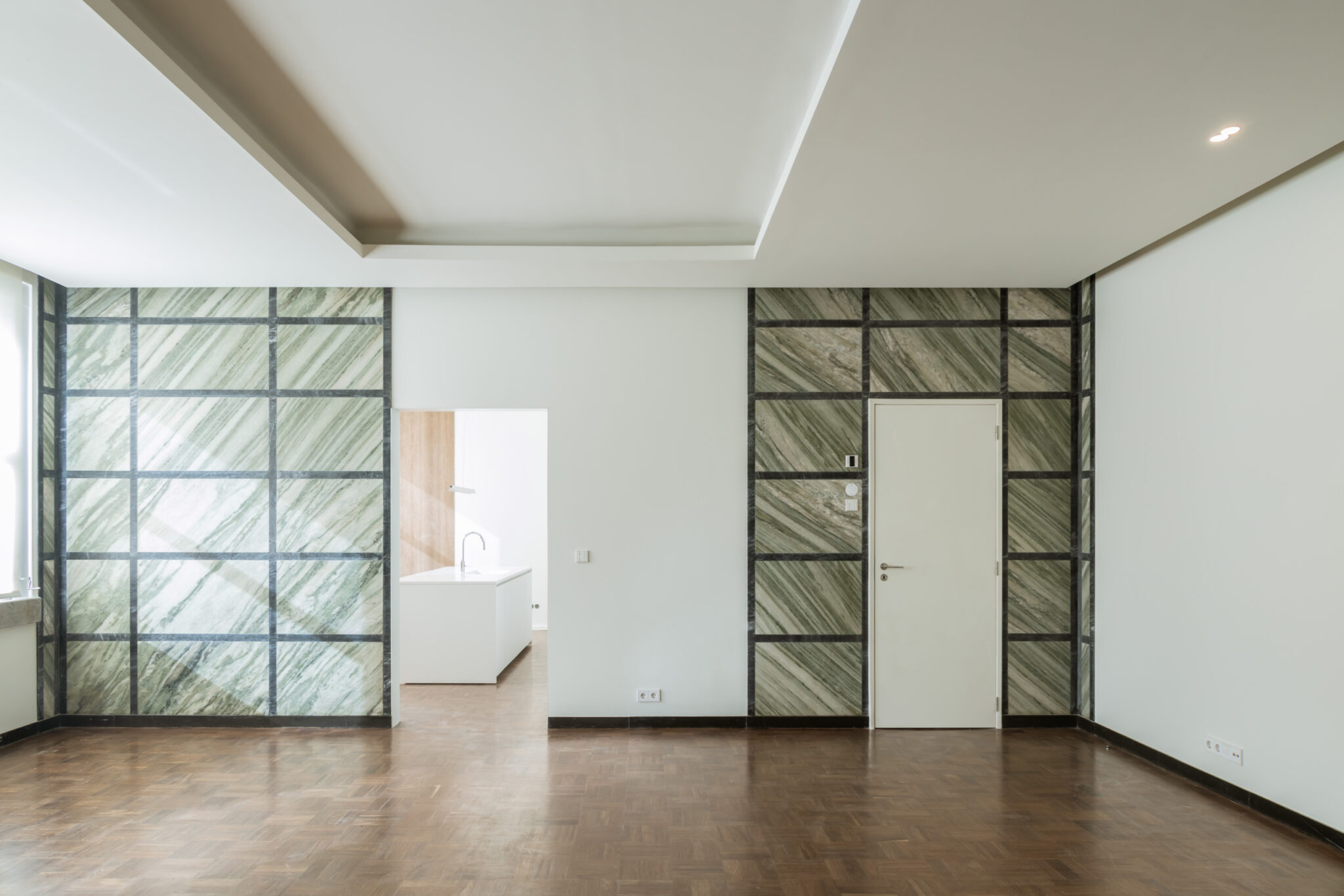
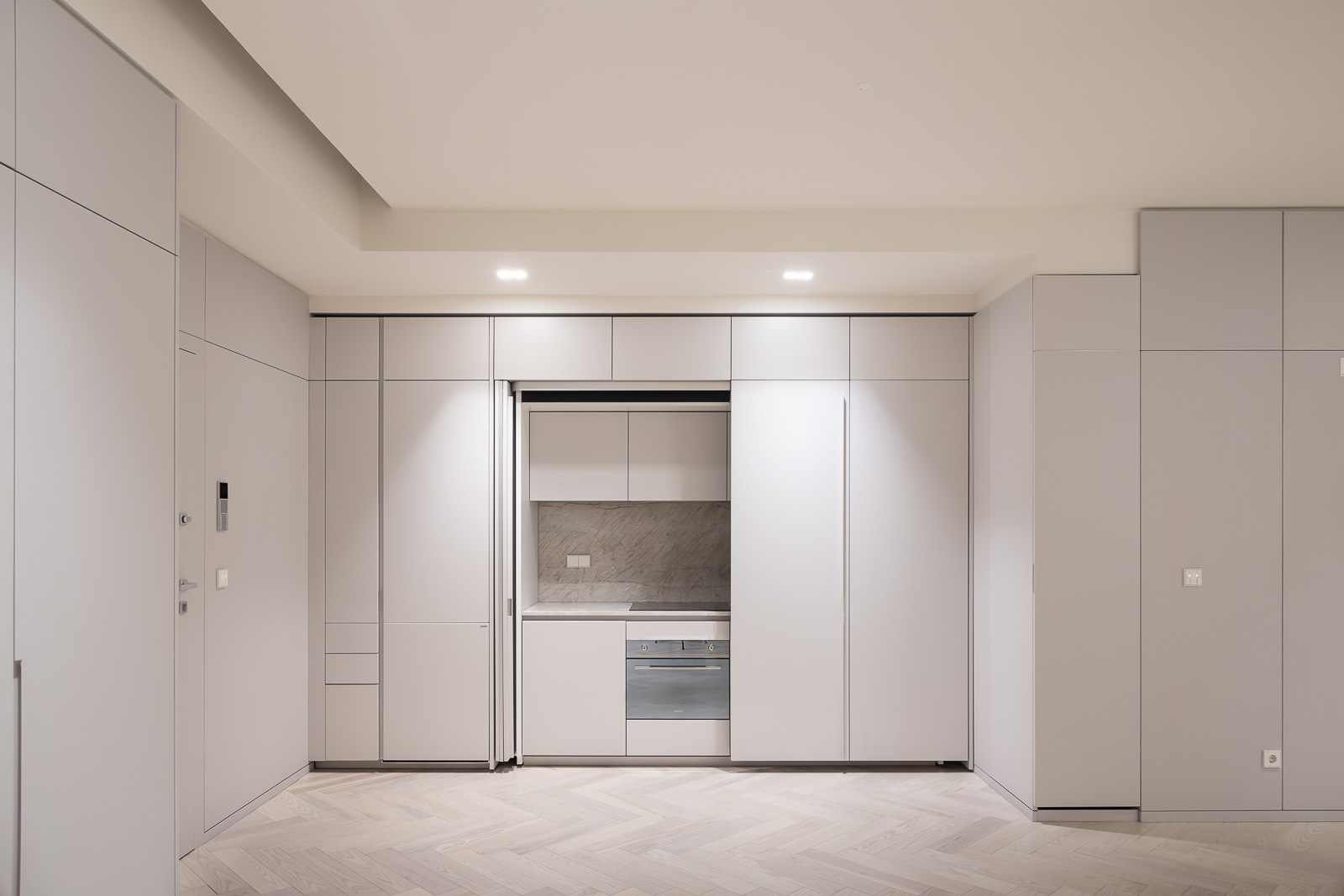
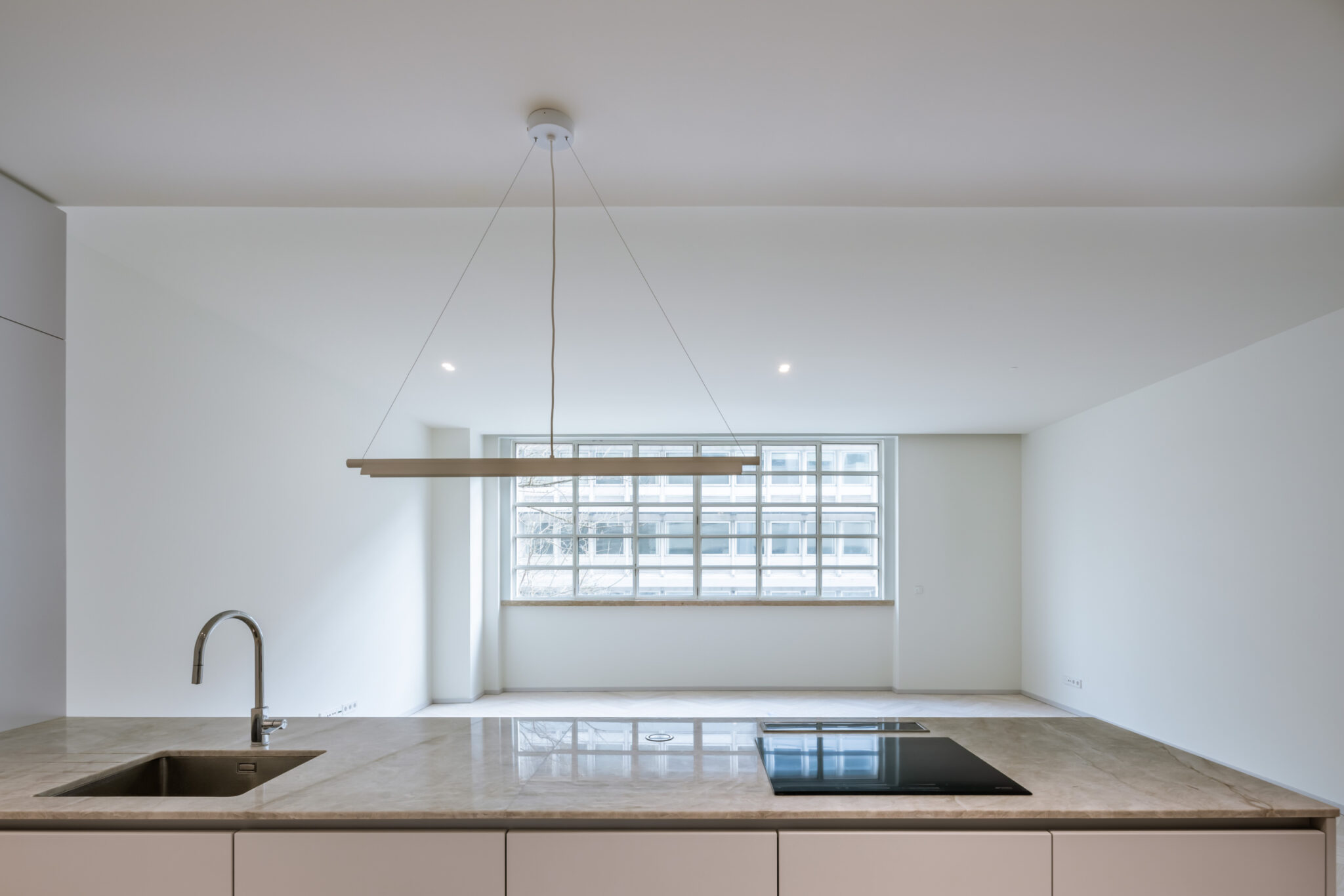
The rehabilitation of the Diário de Notícias building stands as a testament to the depth of expertise and the refined sensibility that define Contacto Atlântico as one of Portugal’s most prestigious architecture firms. The former Diário de Notícias building, now known as266 Liberdade, has been converted into a residential development with 34 apartments. It is also described as having apartments spread across 5 floors, with typologies ranging from studios (T0) to five-bedroom units (T5). Located on Avenida da Liberdade, Lisbon’s most distinguished boulevard, this landmark project exemplifies the highest standards of high-end architecture, where rigorous technical mastery and an unwavering respect for cultural heritage converge.
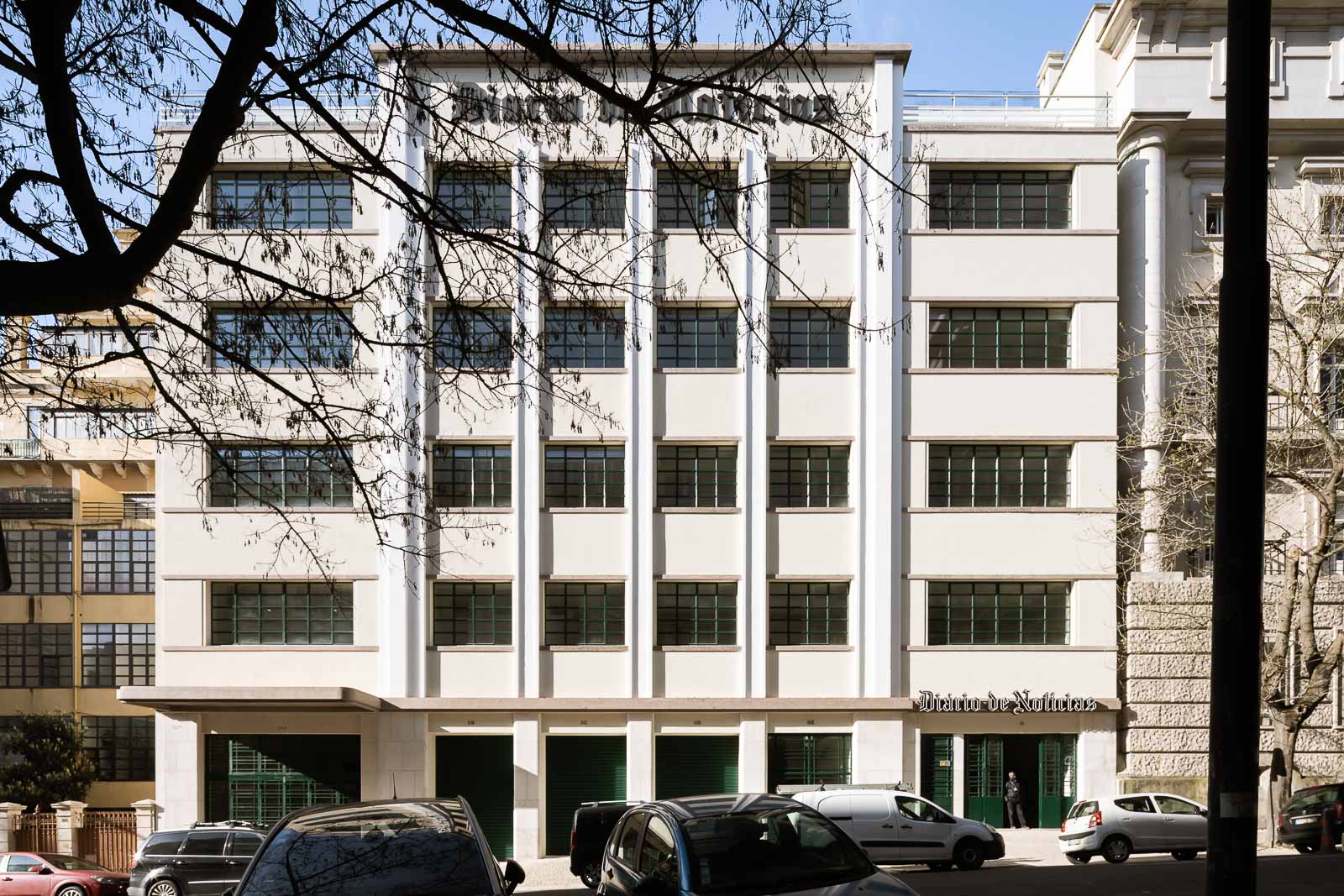
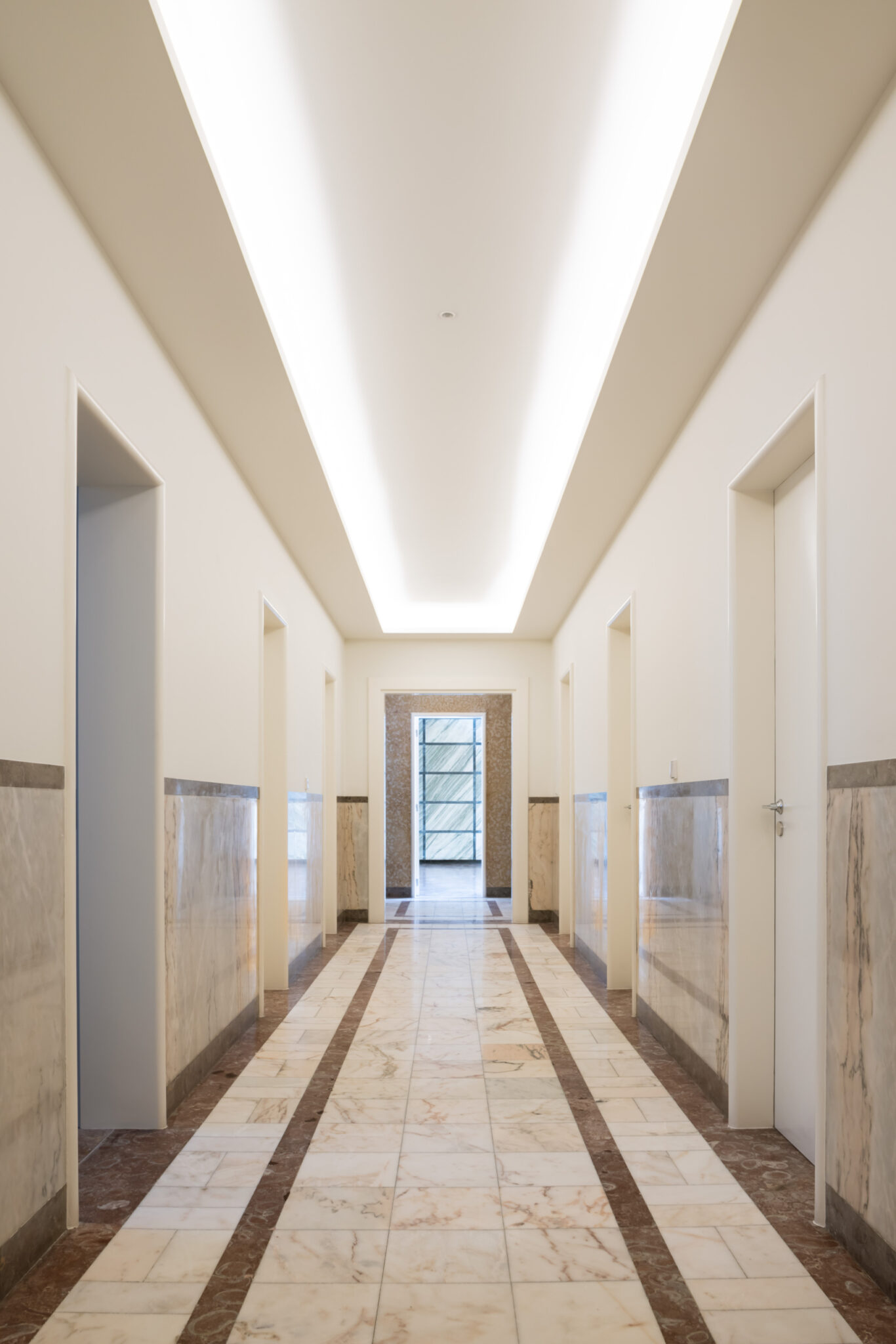
Situated at Avenida da Liberdade 266 and Rua Rodrigues Sampaio 111, this iconic building carries exceptional historical significance, having been awarded the Valmor Prize in 1940, one of the most celebrated distinctions in Portuguese architecture. The rehabilitation brief was clear and demanding in equal measure: restore the building’s original image, adapt it to contemporary residential and commercial functions, and do so without compromising the integrity that earned it landmark status in the first place.
A Rigorous Approach to Architectural Rehabilitation
Contacto Atlântico’s approach to this project reflects the kind of thoughtful, precision-led methodology that characterises the work of a top architecture firm in Portugal. Every intervention was carefully designed to be discreet, technically sound, and fully endorsed by the DGPC (Directorate-General of Cultural Heritage), ensuring compliance with heritage protection frameworks without sacrificing architectural ambition.
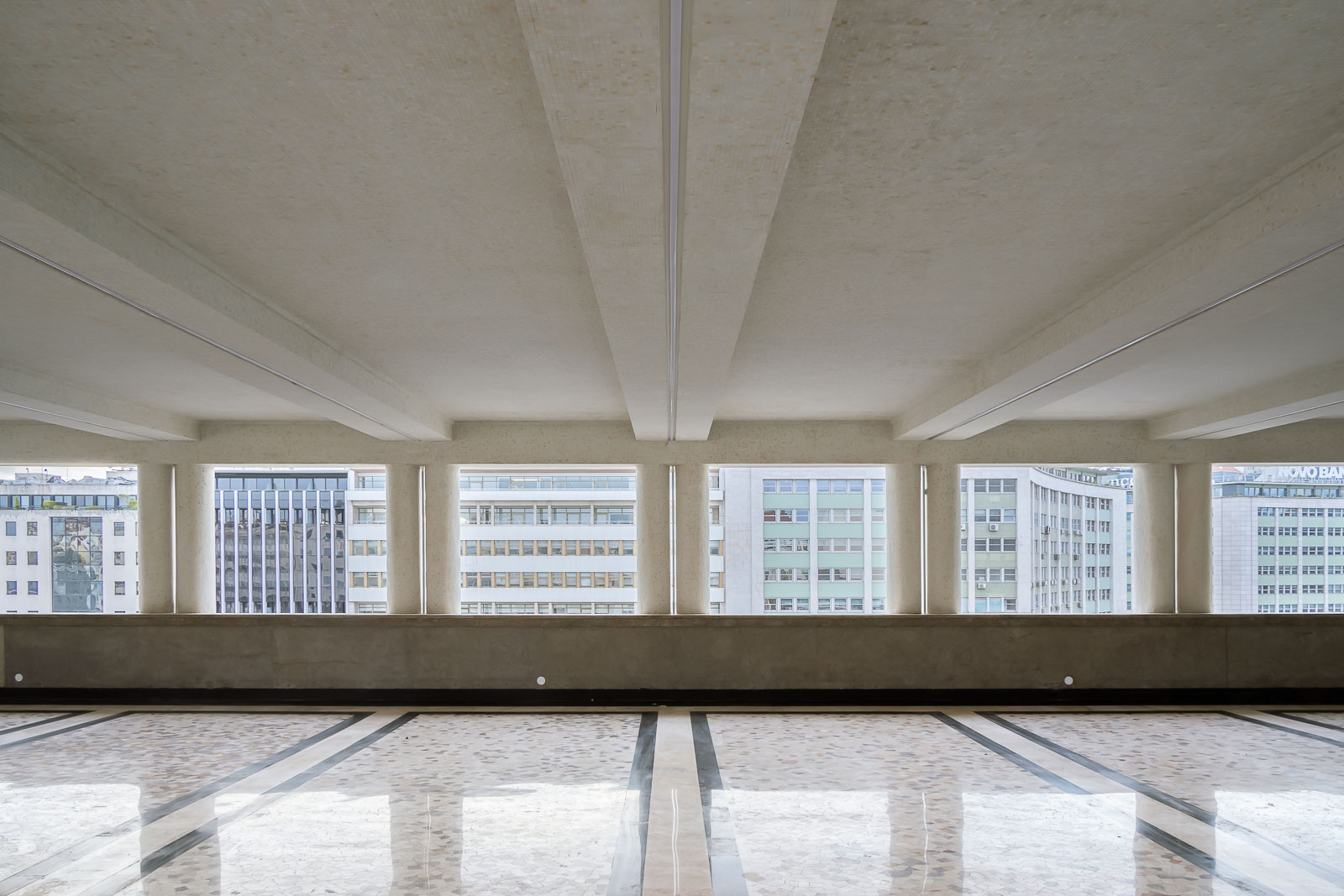
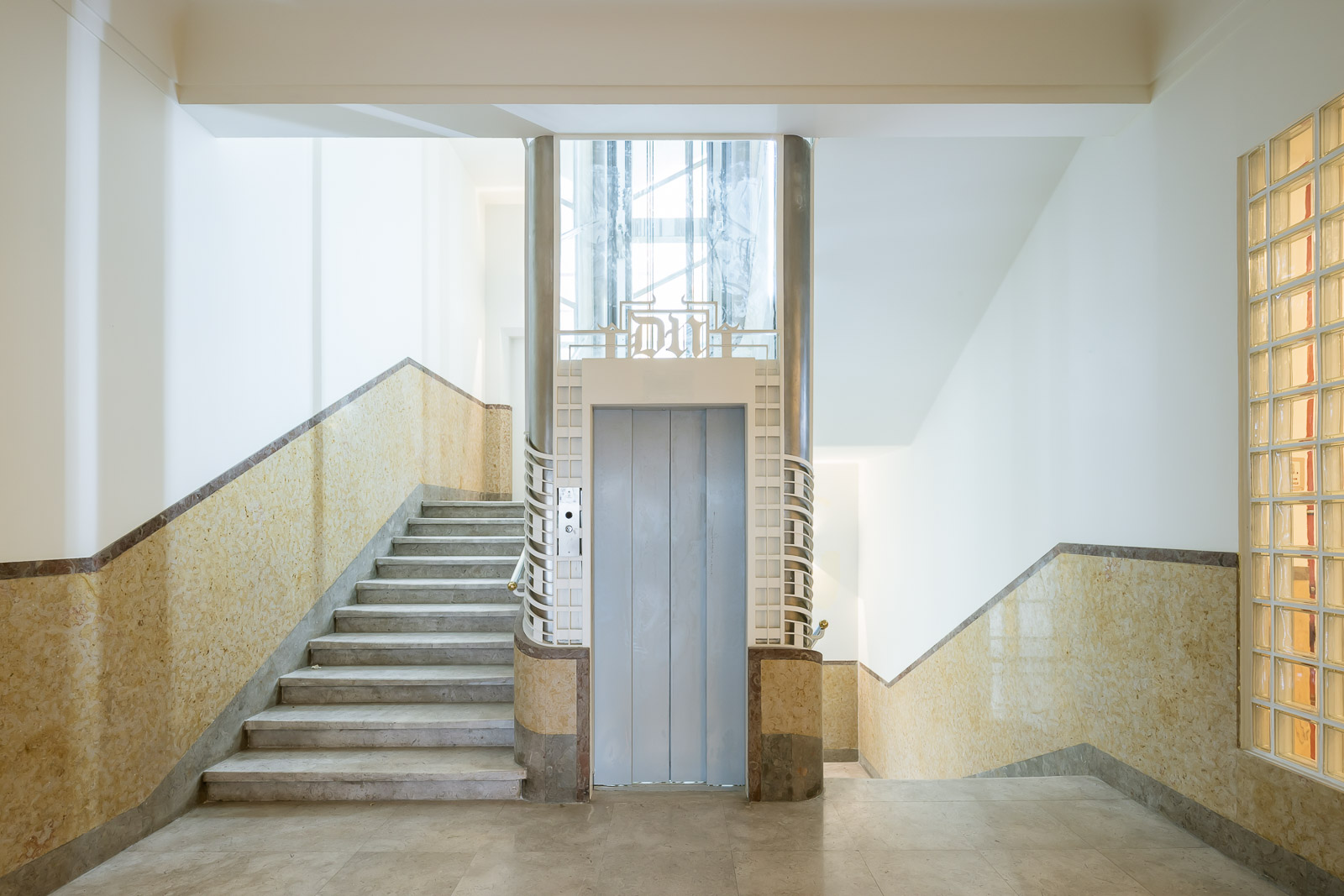
During the rehabilitation works, the building’s structure was fully exposed, allowing the team to preserve original elements in situ while simultaneously optimising the routes for technical infrastructure systems. This phase of the project demanded close collaboration between architecture and engineering disciplines, a hallmark of Contacto Atlântico’s integrated, high-end approach to complex urban projects.
Among the key architectural and technical solutions implemented: the building’s generator was repositioned to the sixth floor, a bicycle park was created in the basement, and acoustic reinforcement was introduced in proximity to the transformer. Shafts were reorganised with efficiency in mind, reducing pipe lengths and avoiding any unnecessary structural demolition. Each decision reflected a clear architectural philosophy: to intervene only where necessary, and to do so with precision.
Heritage Preservation and Innovation in Balance
Fire safety compliance, often a challenge in the rehabilitation of protected buildings, was resolved through the installation of discreet fire-resistant windows within the stairwells. On the top floor, a glazed balustrade was introduced to meet the required safety heights, a solution validated by the DGPC that maintains the building’s historic silhouette when viewed from the street. The roof skylight was also repositioned to ensure it no longer obstructs evacuation routes, continues to serve its original function as a smoke outlet, and remains entirely invisible from public vantage points below.
These solutions are illustrative of a broader truth about high-end architecture: the most sophisticated interventions are often those that leave the least visible trace, where technical intelligence operates quietly in service of a greater aesthetic and cultural whole.
266 Liberdade: A Lisbon Landmark Renewed
Today, the rehabilitated building operates under the address identity “266 Liberdade“, housing new residential and retail functions within a shell that has been meticulously restored to its original splendour. With a gross area of 8,657.90 m² distributed across eight levels, the project represents both the scale and the ambition that Contacto Atlântico brings to every commission.
This project is a defining example of what sets a top architecture firm in Portugal apart: the ability to listen to a building’s history, respond with technical rigour, and deliver a result that feels inevitable in its refinement. The Diário de Notícias rehabilitation reaffirms Lisbon’s position as a city where architectural heritage and contemporary design intelligence coexist, and it affirms Contacto Atlântico’s role as a leading voice in that ongoing, vital conversation.