
Ana Magalhães, head of the Interior Design department at Contacto Atlântico, was interviewed by idealista/news on 25 May 2026. The conversation covers the method, values and vision that guide the interior design work of the studio, one of the most recognised in Cascais and the greater Lisbon area. The full interview can be read on idealista/news.
Interior design beyond aesthetics: Ana Magalhães’ three pillars
For the head of interior design at Contacto Atlântico, a successful project rests on three inseparable pillars: aesthetics, functionality and emotion. The absence of any one of them compromises the result. A space can be visually refined yet fail in daily use. It can be functional and beautiful yet leave those who inhabit it unmoved.
It is that third pillar, emotion, that sets the interior design work of Contacto Atlântico apart. According to Ana Magalhães, emotion is born from the ability to interpret who will inhabit the space and translate that identity into concrete design decisions.
“If a project doesn’t make you feel anything, it’s a blank space. It can be full of colour, but it says nothing to you.”
This conviction is rooted in the designer’s personal background. It was cinema, with its ability to build atmospheres and provoke feelings, that awakened Ana Magalhães’ interest in interiors: not in aesthetics alone, but in the emotion a space can trigger in those who experience it.
Knowing the client: the foundation of any interior design project
Listen before you draw
For Ana Magalhães, interior design is impossible without a deep understanding of who will inhabit or use the space. This process means going beyond declared aesthetic preferences to understand the client’s habits, routines and daily rhythms.
“You can’t design for someone you don’t know — you’ll never satisfy that person. You need to understand how they live day to day: do they have breakfast with the family or not, do they read regularly or not, because that will define several spaces in the home.”
The designer likens this process to the work of a psychologist: it requires building trust, opening a dialogue and uncovering what the client has not yet found words for. Only then is it possible to create spaces that genuinely reflect those who use them, whether residential interior design projects, commercial interventions or brand spaces.
Integrated interior design: all disciplines under one roof
One of the defining characteristics of Contacto Atlântico’s interior design work is its integration with the studio’s other disciplines: architecture, engineering and landscaping. This proximity means projects are conceived from the outset as a coherent whole, from the exterior to the interior detail.
“Every project is a conversation between different professionals and the client. If we all sit at the same table, it’s much easier to move the project forward. With the landscaping team, with the architecture team, we’re in constant communication. Interiors, everything is connected. No space is disconnected.”
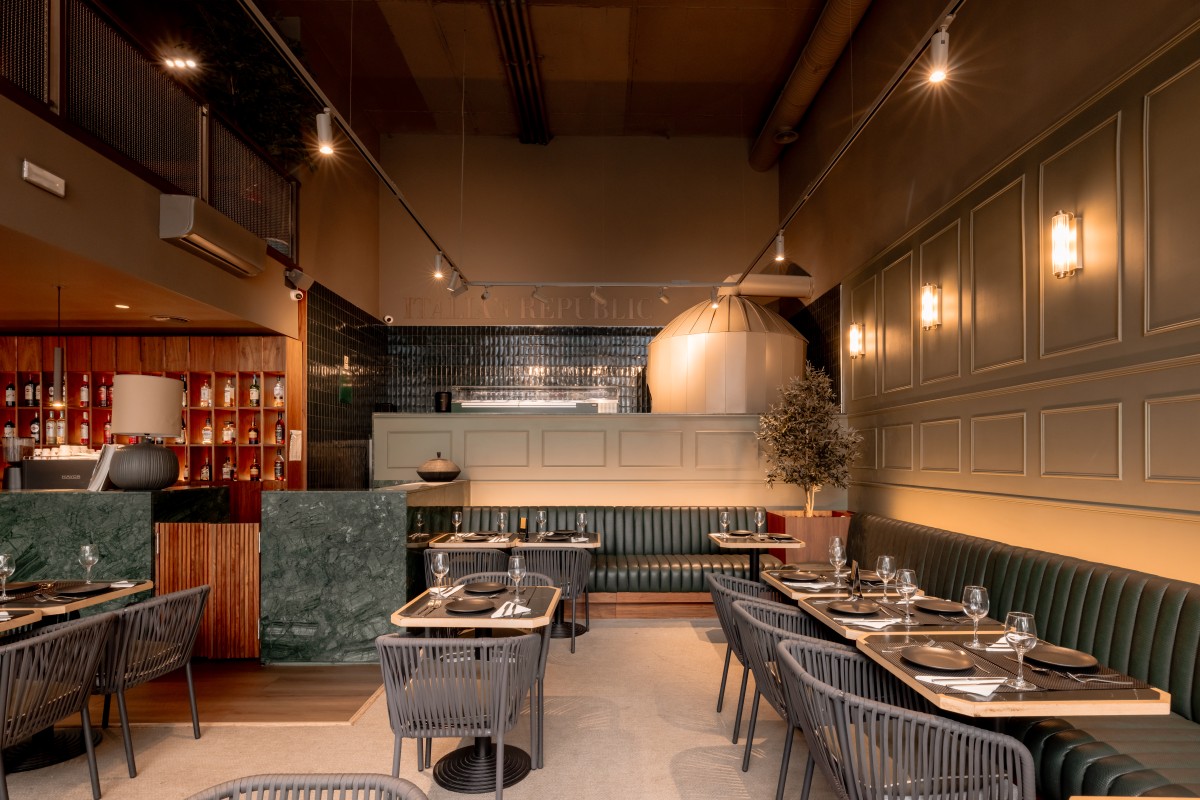
For the client, the advantage is clear: there is no need to repeat the brief to different teams, and no risk of a fragmented result. The project is conceived in an integrated way, with coherence between the exterior proposal and the interior experience.
This approach works equally well for high-budget projects and more contained ones. Integration tends to be most valuable when resources are limited, as it allows for rigorous prioritisation and avoids future rework, making the investment more efficient over time.
Interior design projects that define Contacto Atlântico’s track record
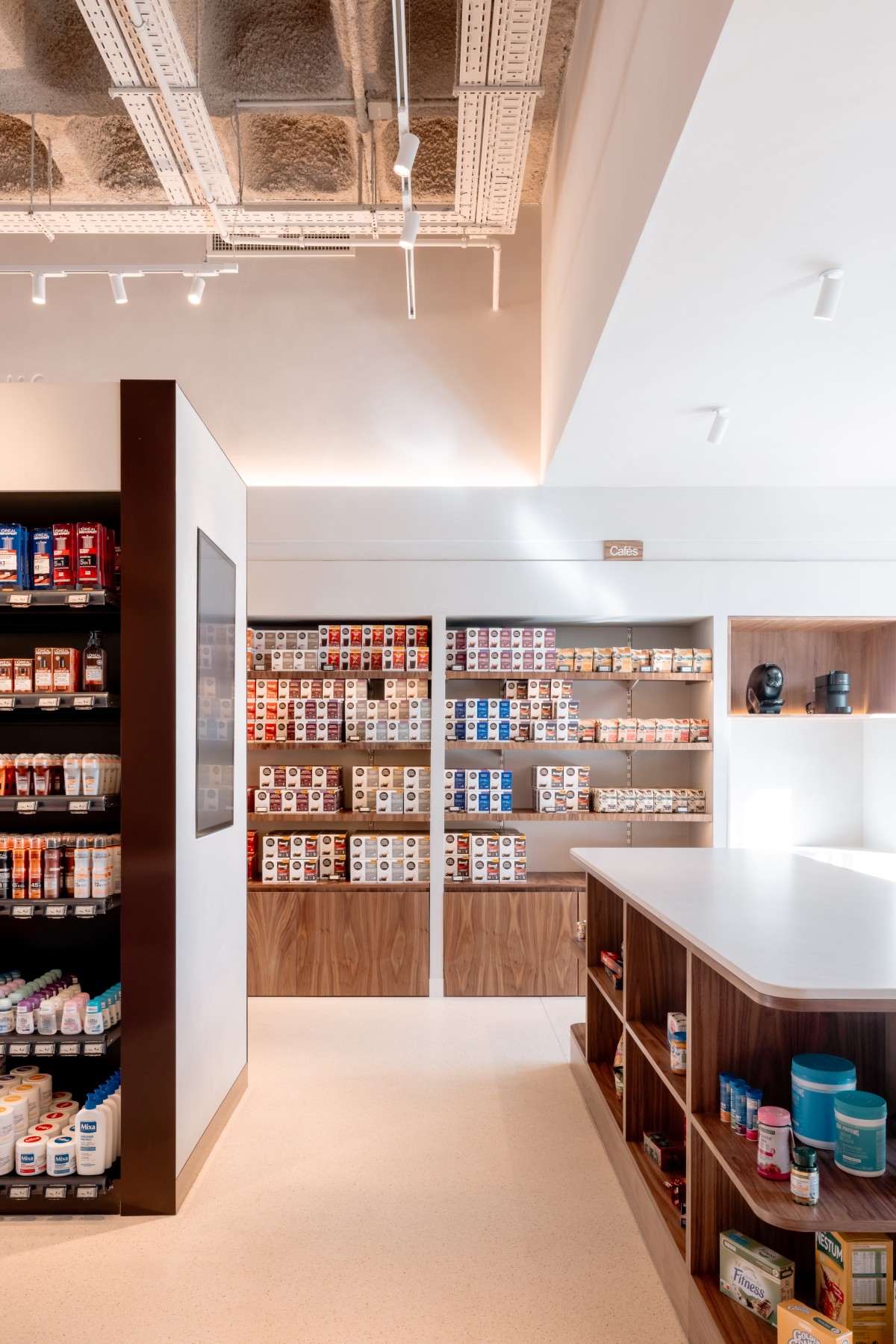
Among the projects Ana Magalhães highlights, the work for Nestlé stands out as an example of excellence in team collaboration: it brought together Contacto Atlântico’s internal teams and the client’s team in a dynamic of mutual trust that was reflected in the final result of the new store.
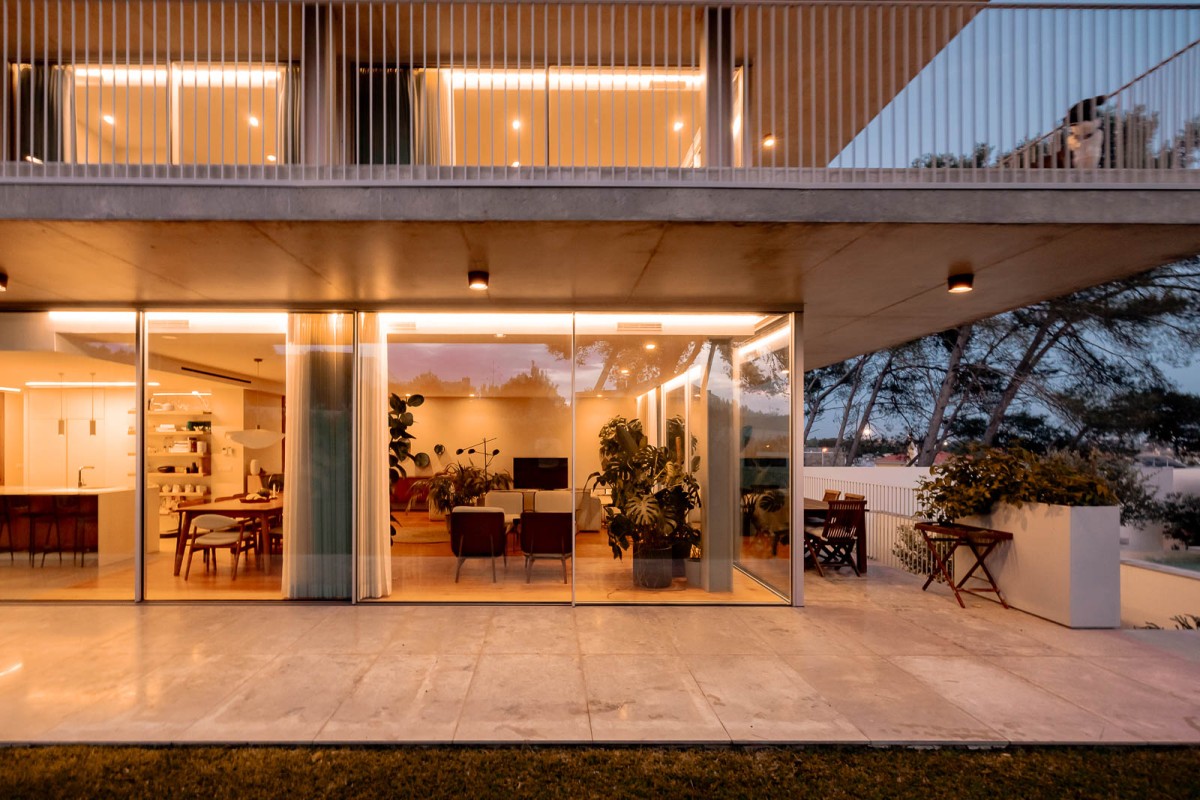
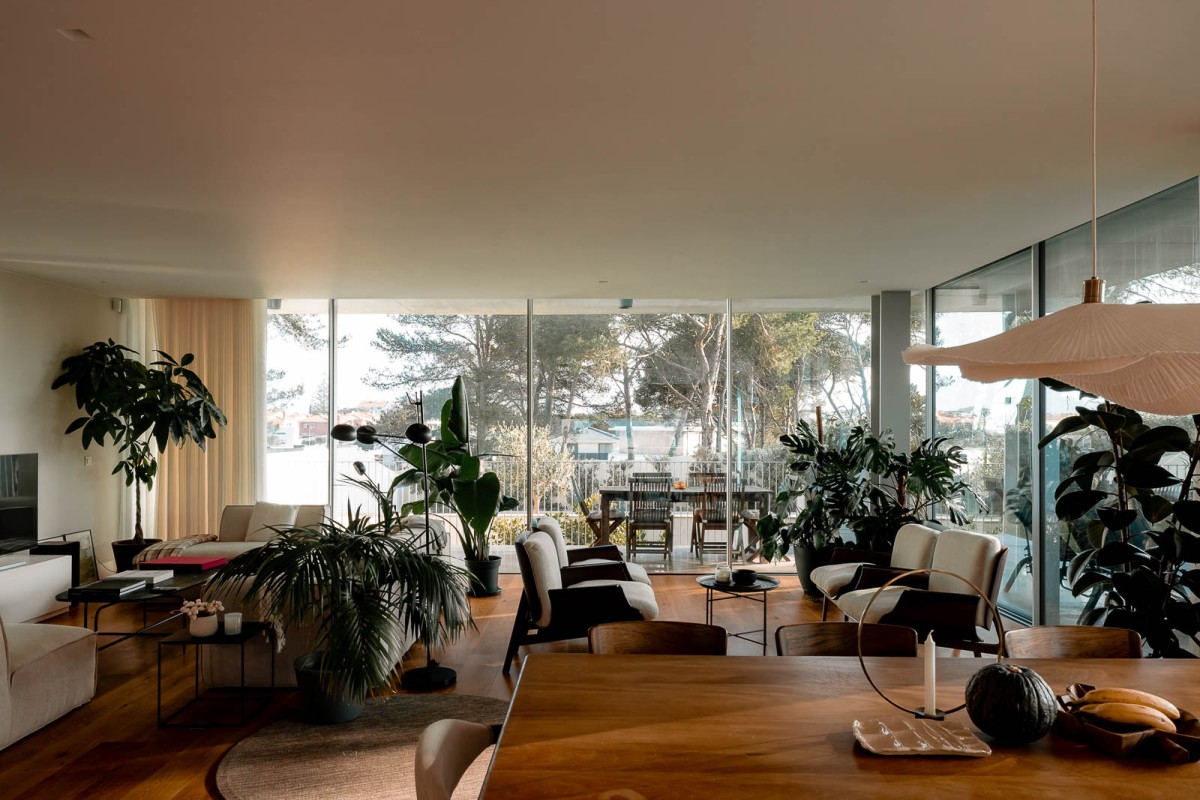
In the residential field, Casa Cobre, a single-family home completed in 2024 in Quinta da Bicuda, Cascais, illustrates the studio’s approach to interior design in a housing context: considered materials, a fluid relationship between interior and exterior, and a language that responds to both the client and the place. The house was featured in VERSA magazine (Media Capital group) as an example of “a unique Portuguese house that brings nature inside”.
Contacto Atlântico’s interior design work in Cascais, combined with its presence in the Lisbon area, positions the studio as one of the leading references in interior design in Portugal for residential and brand clients who demand coherence, quality and a truly integrated approach.
The next challenge: a hotel as a laboratory for interior design
When asked about the project she would most like to take on, Ana Magalhães answers with the precision that defines her method: a hotel.
“You have so many different spaces within it: a restaurant, a gym, bedrooms, social areas. And you have to think of the hotel as a whole. The experience of every guest has to be consistent — there has to be a unified language running through all those different spaces.”
The designer’s vision for this ideal project involves bringing the head chef, the spa team and the people responsible for each space to the same table. An approach that captures, at scale, what Contacto Atlântico does in every interior design project: thinking space through to the finest detail, for the right people, with all teams working in the same direction.
The full interview with Ana Magalhães was published by idealista/news on 25 May 2026 and is available here.